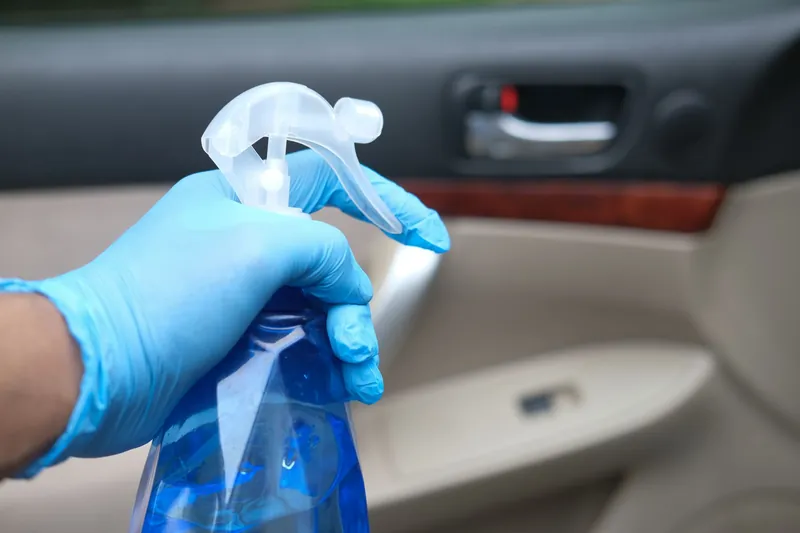
Police and Ambulance Vehicle Decontamination
Police vehicles, ambulances and other transport vehicles receive decontamination.
See police and ambulance vehicle decontaminationGet blood, bodily fluids, waste and odor removed from a car, truck, RV or boat in Rock Creek. Vehicle biohazard remediation reaches hidden contamination in seats, carpet, trim and the air system.
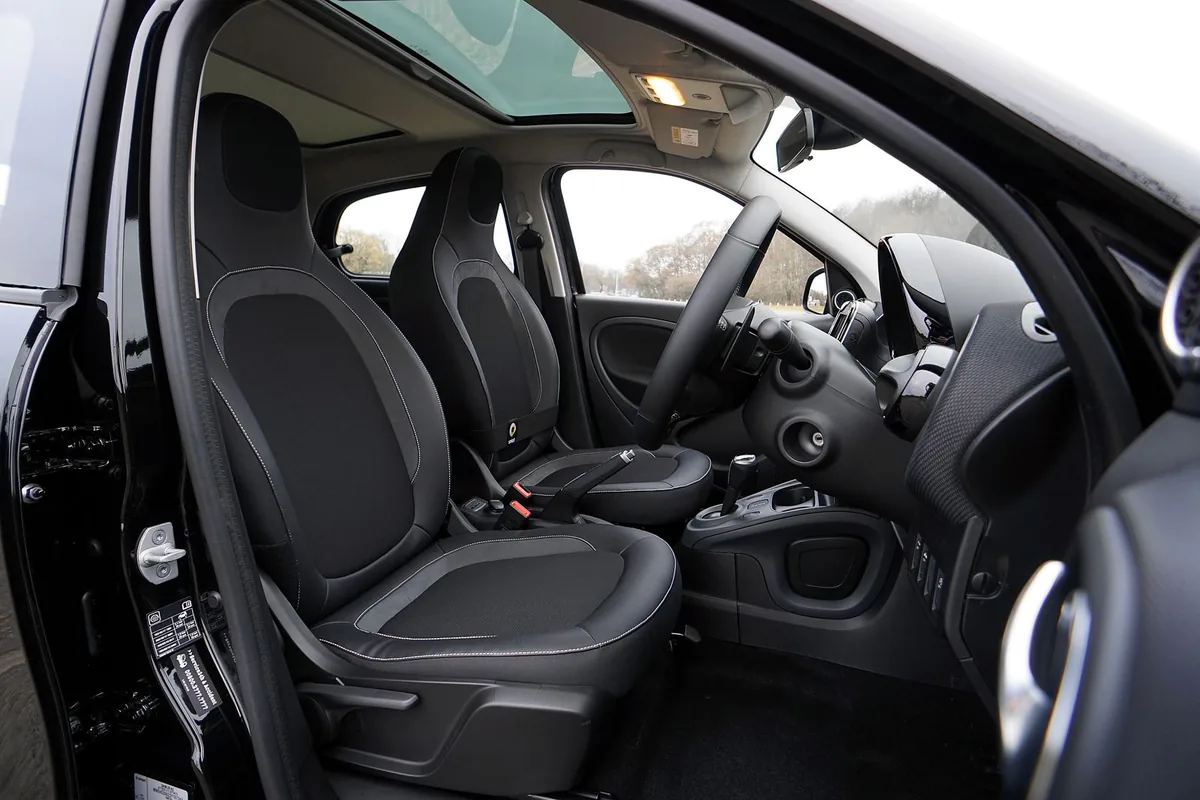
Careful removal of blood, waste from people or animals, body fluids and other contamination from a car, RV, truck, fleet vehicle or boat is vehicle biohazard cleanup. After removal, the affected area is cleaned, disinfected and treated for odor.
Contamination can follow concealed paths inside the cabin. Liquid can move from the seat surface to its foam, beneath floor carpet, around clips for the trim and along spaces containing wires. Ventilation may carry odor through vents and to the cabin filter as well. Standard detailing improves appearance. Vehicle biohazard remediation looks beyond that goal by following the affected route and examining surrounding material.
Cleanup starts with a controlled inspection and suitable protective gear. Materials that cannot be completely disinfected are removed, surfaces receive detailed cleaning, and hazardous waste is disposed of. An EPA-registered disinfectant remains wet for all of the contact time listed on its label. You then have a clear distinction between interior pieces that may remain and those requiring removal.
Ask how your vehicle will be inspected before selecting a cleanup company. Ask for inspection results, what can stay, what must come out and the factors affecting cost before choosing how to move forward.
Phone help is available during the day or night, with workers arriving in unmarked vehicles. A private conversation lets you share the situation and make your own decision about moving forward.
Your input guides the way personal belongings, records and tools are organized. Being present in the car does not automatically make an item waste.
Photographs, work details and removed-material records can be arranged for the property owner, fleet manager or your insurance company.
Biohazard cleaning may be needed when contamination is more than a minor spot that you could safely wipe from a hard surface. Although each event differs, the following situations are common reasons to leave the vehicle shut and request an inspection:
When a death occurs in a vehicle, seat foam, flooring, trim and air quality may be affected. Removing the source precedes both disinfection and odor removal.
Taxis, rideshare cars, work trucks and emergency response vehicles may need a documented cleaning process before the affected vehicle returns to service.
Urine, feces or vomit from illness, incontinence or extended occupancy can enter seams and porous materials where normal car cleaning cannot reach.
Drug items and needles can expose you to puncture injuries and contamination. Keep your hands out of door compartments and spaces under seats because hidden sharps may be present.
Before a cleanup inspection, your priority is to avoid contact and stop contamination from moving within the cabin. Follow these precautions until technicians can examine the vehicle:
Call (888) 440-9227Published vehicle biohazard cleanup prices run from $500 to $5,000. The eventual cost reflects what materials are inside, the event's severity, how long ago it occurred and whether air-system decontamination is required. Inspection is necessary since contamination under carpeting or seating may be impossible to see while looking through a door.
The figures shown are national ranges from published cost guides and are not based on an on-site visit. The price for your property is set after the on-site assessment, and you hear it before work starts.
Ask about cost: (888) 440-9227Auto insurance can sometimes cover vehicle biohazard cleaning when the underlying event falls within your policy. Since deductibles, required documents and coverage differ, ask the insurance company about them before authorizing the work if circumstances permit.
Describe the event to your adjuster while leaving the vehicle untouched. Find out whether the policy pays for towing, biohazard cleaning, affected interior removal and later restoration.
The vehicle owner or fleet manager usually starts the claim and approves access. Business insurance can set its own documentation rules, coverage limits and exclusions.
Save your claim identifier, pictures, work scope, waste paperwork and list of removed items. Ask the adjuster before discarding damaged parts that may need inspection.
Victims of violent crime can ask the Ohio Attorney General's Crime Victim Services Section about crime scene cleanup, which its victims compensation program lists among eligible expenses for safety purposes. Insurance is usually checked first.
The vehicle biohazard remediation process follows a controlled order through the entire process so contamination does not spread from one part of the cabin to another. Every step depends on the event, interior materials and time since exposure.
Cleanup technicians inspect the cabin, cargo space, trunk, seat seams, flooring and visible air intakes. Images create a record of the original condition and help establish the job details.
Public access is restricted around both the work area and vehicle. Workers wear gloves, protective garments, eye protection and any additional equipment appropriate for the hazard.
Belongings are divided among apparently unaffected property, cleanable items and contaminated materials that call for disposal or your decision.
Interior trim, headliner, padding, carpeting, foam or seat coverings are taken out only when contamination has penetrated materials that cannot be completely disinfected.
An EPA-registered disinfectant is applied after hard materials have been cleaned. The surface stays wet for the contact time stated on the product label.
If contamination or odor could have reached the climate system, the inspection includes vents, air intakes and the cabin filter. Cleanup begins by addressing and removing the source.
Removed material is packaged for disposal under the rules that apply to the waste. An insurer or fleet manager can use the cleanup records.
A final visual inspection covers affected areas and surrounding areas, helping find contaminated material that might otherwise be left behind. You are informed about all completed cleaning and removal, along with restoration services that may still be necessary.
Call at any time. You speak with a vehicle biohazard cleanup specialist who outlines the process and schedules a start time with you.
Inside the confined space of a vehicle, hidden sharps, body fluids, blood and waste may present significant health hazards.
A hot, enclosed cabin can concentrate unpleasant odor. Before source removal, vehicle heating or cooling can distribute odor through vents and into the cabin filter.
Needles may be concealed under seating, within compartments or among personal property. Searching the vehicle interior without puncture-resistant equipment may expose you to hazards.
Fluids travel downward and through joined edges. Dry-looking surfaces can hide fluid that reached seat cushioning, carpet underlay, fasteners and floor channels.
Can you clean it yourself? A few fresh drops on a hard, non-porous surface may be cleaned with gloves and an EPA-registered disinfectant used for its full label contact time. Keep away and seek professional cleanup when fluid reaches a vent, headliner, seam, carpet, foam or fabric, or when a sharp object is in the area.
Whether an interior part stays depends on material and access. Non-porous pieces may remain if there is access to clean and disinfect every side. Affected porous material may require removal after a spill soaks in.
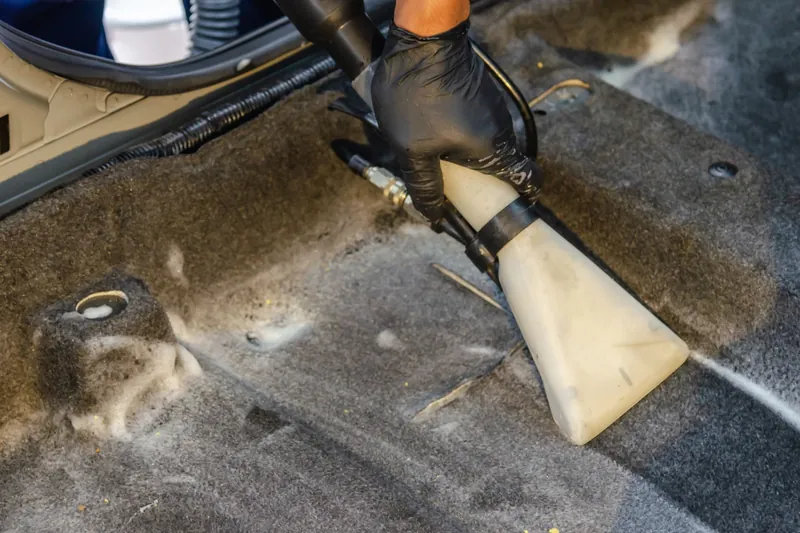
The duration of vehicle biohazard cleaning is established once the inspection is complete. A small hard-surface job needs less time than one involving carpet or seat removal, checks inside vents, repeat treatments or replacement components.
| Scene | Typical time on site |
|---|---|
| Limited hard-surface contamination | Time estimate established following an inspection of the affected area |
| Seats, carpet or cargo area affected | Interior material removal extends the cleanup schedule |
| Widespread contamination or air-system work | The timeline varies with drying, entry to affected areas and repair needs |
Effective odor removal in a vehicle starts by locating the affected source and removing it. A fragrance, surface shampoo or air freshener only masks the odor temporarily and cannot reach fluid absorbed by seat foam, insulation, carpet underlay or the cabin filter.
Once the source is gone, accessible surfaces undergo cleaning and disinfection. When odor has moved through the climate system, the vents, air intake and cabin filter can be checked. Air treatment can assist with cleaning, but affected porous items still need removal. Leave the fan turned off until both the source and its path through the air system are assessed.
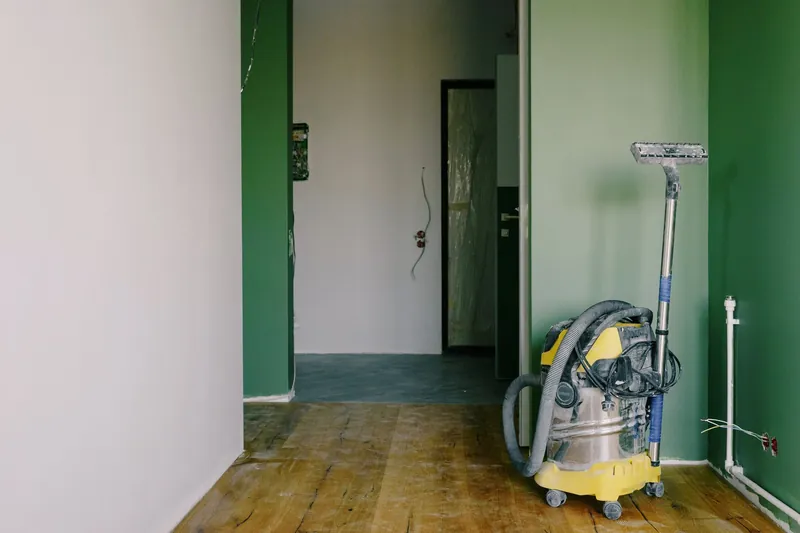
The full vehicle biohazard cleanup guide covers what is cleaned or removed, odor and air quality work, and the rules that apply in Ashtabula County and Ohio.
Read the full vehicle biohazard cleanup guidePlanning for access, containment and cleanup can depend on local population, housing and entry conditions.
The local mix includes 48.3% renter occupied homes, making it useful to establish who controls repairs before cleanup begins.
Homes with a median construction year of 1973 may contain layered renovations that hide affected materials beneath newer finishes.
A 34.6% share of seniors living alone matters because longer discovery times can allow odor and contamination to spread farther.
Single-family homes make up 70.2% of housing in Rock Creek, so cleanup often centers on one household and its private living areas.
Ask on the call about cleanup options for neighboring communities and ZIP codes.
Police vehicles, ambulances and other transport vehicles receive decontamination.
See police and ambulance vehicle decontamination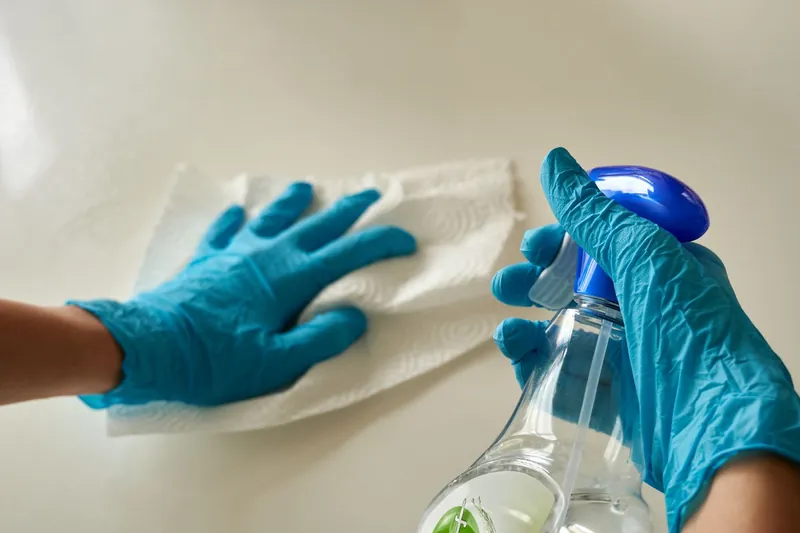
Blood cleanup clears blood from furniture, walls, hard floors and carpet, followed by safe disposal.
See blood cleanup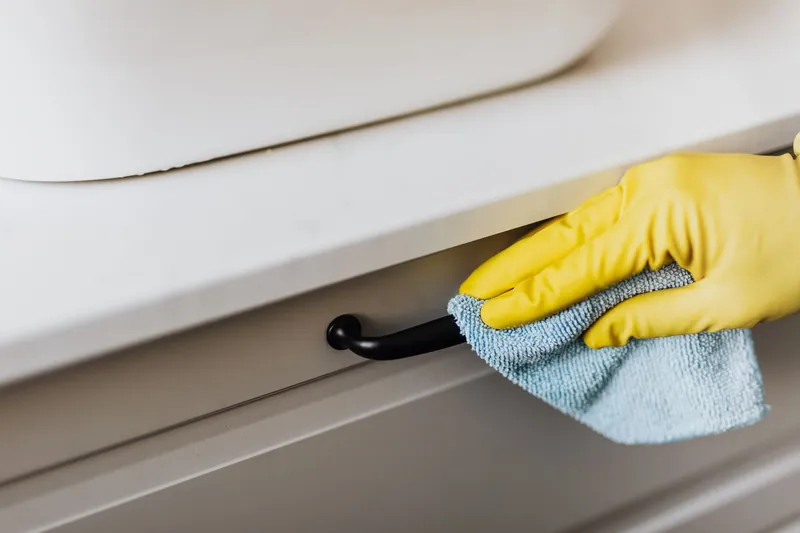
Bodily fluid cleanup removes fluids and disinfects affected areas in businesses, homes and care settings.
See bodily fluid cleanup
Biohazard carpet and upholstery cleaning, or safe removal when needed.
See biohazard carpet and upholstery cleaning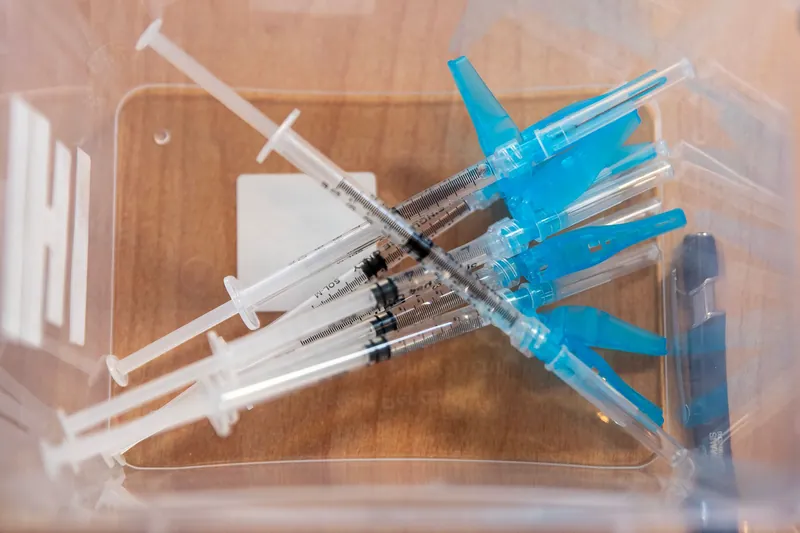
Needles and other sharps are removed from rentals, yards, encampments and parks.
See needle and sharps cleanup
Trauma scene cleanup is needed after violent events, accidents and injuries.
See trauma scene cleanup
Full decontamination of rooms, surfaces and air after infectious or hazardous exposure.
See biohazard decontamination
Biohazard waste is collected in labeled, sealed containers and taken for disposal.
See biohazard waste disposalA safe outcome requires locating the entire affected area and successfully treating or taking out porous items that were contaminated. Get a clear record of cleaning and removal, including confirmation about inspection of vents or the cabin air filter. Prospective buyers should read the full record and think about getting an independent vehicle assessment.
A vehicle has biohazard damage when blood, bodily fluids, waste or similar contamination affects it. Damage may include staining, odor and material that cannot be safely kept, such as soaked seat foam or carpet padding. This type of damage differs from normal soil. A separate hazmat evaluation may be necessary for chemical damage because the two conditions can differ.
Separate the belongings prior to beginning any cleaning. Belongings beyond the affected area can be separated, and washable non-porous objects may receive cleaning. Fluid exposure can make porous property impossible to recover. When sharps or needles may be present, keep your hands out of pockets, spaces below seats and piles of loose property.
Regular detailing is meant for dirt, stains and appearance. During biohazard remediation, workers consider hidden liquid routes, bloodborne pathogens, protective gear, hazardous waste and disinfectant contact time. Cleaning only the visible upholstery misses contamination inside seat foam, beneath carpet, within insulation or through the vents. Ask specifically about professional biohazard cleanup.
If your policy covers what happened, vehicle biohazard cleaning may also be included. Insurance does not always apply, and your policy may include exclusions or a deductible. Before work starts, when waiting does not create a safety concern, tell your insurance company about the event and ask about vehicle transport, interior restoration and needed documentation.
Vehicle biohazard cleanup is listed at $500 to $5,000, according to the Biohazard Cleanup Cost Guide (2026) published by BioCleaners Directory. The final cost changes with the interior materials, severity, elapsed time and need for climate-system decontamination. Because looking in from the door can overlook material beneath carpeting or within seats, the vehicle needs an inspection.
Discreet, respectful vehicle biohazard cleanup, 24 hours a day, with crews in unmarked vehicles.